


“The Reality of Clear Skin”: Why Permanent Makeup Removal Is Becoming an Industry of Its Own
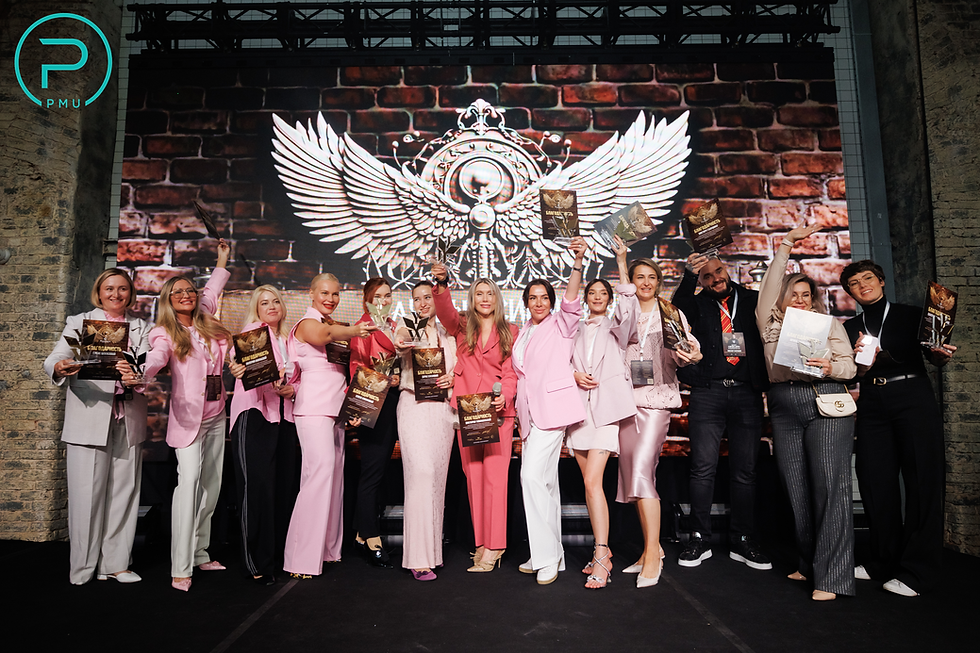
The Scientific Symposium on Permanent Makeup and Tattoo Removal, “The Reality of Clear Skin,” was held in St. Petersburg, bringing together professionals to discuss one of the most pressing topics in today’s PMU industry: the safe, predictable, and professional removal of pigment from the skin.

The project was created by Victoria Tomashivskaya, an expert in permanent makeup, dermopigmentation, and pigment removal, founder of the Yourwings brand, and author of the educational program The Reality of Clear Skin. According to Victoria, the idea for the symposium did not emerge by chance, but rather as a response to the real changes taking place within the profession.
“Removal is no longer a supplementary procedure. It has evolved into an independent and critically important branch of the industry,” says Victoria Tomashivskaya.
Over the past decades, permanent makeup has undergone a remarkable transformation. Techniques have evolved, pigments have improved, client expectations have shifted, and the industry’s understanding of quality outcomes has become more sophisticated. At the same time, the growing number of procedures performed worldwide has led to an increasing demand for correction and complete pigment removal. These cases may involve outdated shapes, color changes, heavily saturated work, unsuccessful techniques, or simply a client’s desire to return to a more natural appearance.
As a result, removal is no longer viewed as a last resort. Today, it has become an essential part of professional client care and a key component of modern PMU practice.
The Symposium as a Platform for Science, Medicine, and Practice
The primary goal of the symposium was to bring together professionals from different disciplines within a single educational space: permanent makeup artists, laser and chemical removal specialists, cosmetologists, dermatologists, educators, and studio owners.
Across its 2025 and 2026 editions, the event attracted more than 200 attendees in person, while approximately the same number of professionals viewed the presentations through recorded sessions. This level of engagement demonstrates that pigment removal has long since evolved beyond a narrow specialty and has become a subject of industry-wide importance.
What sets the symposium apart is its focus on building a comprehensive understanding of the biological and technical processes involved in pigment removal, rather than simply sharing isolated tips and tricks. Discussions extended beyond removal techniques themselves to include wound-healing physiology, the anatomical characteristics of permanent makeup treatment areas, complication prevention, color inversion, scar formation, vascular redness, and approaches to working with different skin types.
“We wanted to create a platform where professionals could gain not just isolated tips and tricks, but a comprehensive understanding of permanent makeup and tattoo removal as a whole,” says Victoria Tomashivskaya.

The Topics Generating the Most Questions
The presentations that generated the greatest interest focused on some of the industry's most debated topics and persistent misconceptions. Among them were Victoria Tomashivskaya’s lecture on “green discoloration” in alkaline removal procedures and the evidence base behind the alkaline removal method; Elizaveta Manasheva’s presentation on the anatomical characteristics of permanent makeup treatment areas; Vitaliy Mikryukov’s discussion of bubble-free laser techniques; and Nikita Artemov’s lecture on laser removal of permanent makeup.
Particular attention was also given to the open discussions between advocates of laser removal and chemical removal methods. For the industry, such dialogue is especially important: professional conversations about challenging cases should be guided not by marketing claims, but by clinical experience, sound reasoning, and a thorough understanding of the biological processes occurring within the skin.
One of the symposium’s key sessions was the expert panel discussion, “Permanent Makeup on Skin After Removal.” The panel addressed the challenges of reintroducing pigment into skin that has previously undergone laser or chemical removal procedures. For PMU professionals, this is a highly practical issue, as the quality of the removal process, the condition of the skin, and the chosen treatment strategy directly influence not only the aesthetic outcome but also the safety and well-being of the client.
The Key Challenges Facing the Permanent Makeup Removal Industry
Victoria’s observations highlight several major challenges currently facing the pigment removal sector.
The first is the prevalence of misconceptions and industry myths. Many practitioners acquire information in fragments—from equipment manufacturers, remover brands, colleagues, or through personal trial and error. As a result, important clinical decisions are sometimes based on assumptions and anecdotal information rather than on structured knowledge and evidence-based practice.
The second challenge is an insufficient understanding of skin physiology and wound-healing processes. This knowledge gap directly affects the risk of complications, the predictability of outcomes, and the selection of the most appropriate removal method for each individual case.
The third issue is the lack of unified professional standards. Permanent makeup removal requires far more than technical proficiency. Practitioners must be able to assess the original procedure, evaluate skin condition, determine pigment depth and color characteristics, review the client’s treatment history, identify potential risks, and manage expectations throughout the removal process.
“In essence, the discussion was about how to make pigment removal more predictable, safer, and more effective,” emphasizes Victoria Tomashivskaya.

Practical Outcomes for Professionals
The symposium was designed to provide participants with knowledge and skills that could be applied in practice immediately after the event. The program covered key topics such as selecting the most appropriate removal method, working with different pigment colors, preventing complications, post-procedure client management, skin assessment prior to removal, and predicting treatment outcomes.
Particularly valuable were the hands-on masterclasses, where experts demonstrated permanent makeup removal using lasers and various removers in real time. This format plays a crucial role in professional education, allowing practitioners to observe not only the final result but also the reasoning behind every step of the procedure.
One of the symposium’s most important conclusions was that many challenges in pigment removal arise not from the equipment or products themselves, but from gaps in fundamental knowledge. This serves as an important message for the entire PMU industry: effective and safe removal cannot be considered separately from anatomy, dermatology, wound healing, and professional ethics.

Why the Demand for Permanent Makeup Removal Is Growing
According to Victoria Tomashivskaya, the modern permanent makeup industry is facing a multifaceted challenge: an increasing number of clients are seeking treatment for previously performed PMU that now requires correction or removal.
Today’s clients are no longer willing to accept unsatisfactory or outdated results. They want the freedom to refine their appearance, adjust shapes, eliminate unwanted pigment colors, or return entirely to a more natural look.
At the same time, repeated cover-up procedures do not always provide a solution. In many cases, they can create even more complex aesthetic challenges and make future work on the skin less predictable. As a result, professional removal should not be viewed as a competitor to permanent makeup, but rather as a natural extension of it—an essential part of a comprehensive and responsible approach to client care.
More Than Just a Training Course
Today, The Reality of Clear Skin is evolving not only as an educational program but also as a growing professional community. The project’s future plans include new training cohorts, the third World Championship in Permanent Makeup Removal, additional scientific and practical events, and the next edition of the symposium.
This year’s event was presented under the concept of the School of Clean Skin Magic, combining a scientific program, practical lectures, and a theatrical format. This approach helped transform a complex professional subject into an experience that was not only educational, but also engaging and memorable.
The Scientific Symposium on Permanent Makeup and Tattoo Removal reflects an important shift within the industry: removal is no longer viewed as a secondary service. It has become an independent discipline that demands knowledge, responsibility, clinical thinking, and a strong professional culture.
While the development of the PMU industry was once primarily associated with creating beautiful aesthetic results, today an equally important skill is the ability to correct, restore, and safely give clients the opportunity to make a new choice for their skin.
#PermanentMakeup #Micropigmentation #PermanentMakeupNews #PMUEducation #PMUIndustry #PMUScience #PMURemoval #PigmentRemoval #TattooRemoval
Publication date: June 17, 2026
By Sergey Yakovlev


Comments