


What Is Permanent Makeup? A Modern Understanding of the Procedure
Permanent makeup is a modern micropigmentation procedure in which specialized pigments are implanted into the upper layers of the skin to provide long-lasting aesthetic enhancement of the eyebrows, lips, and eyelids. Depending on the technique used and the individual's skin type, the results typically last from one to three years. Over the past decades, the procedure has evolved considerably: today, its primary objective is to achieve the most natural-looking outcome possible, while encompassing not only aesthetic applications but also reconstructive indications.
About the Author: Olga Yakovleva is an expert in permanent makeup and paramedical micropigmentation, author of scientific publications, international speaker, and judge at professional championships. She specializes in both aesthetic and reconstructive micropigmentation, including nipple-areola reconstruction following mastectomy, scar and vitiligo camouflage, and eyebrow restoration for patients with alopecia. Her research focuses on micropigmentation and its impact on patients' quality of life.
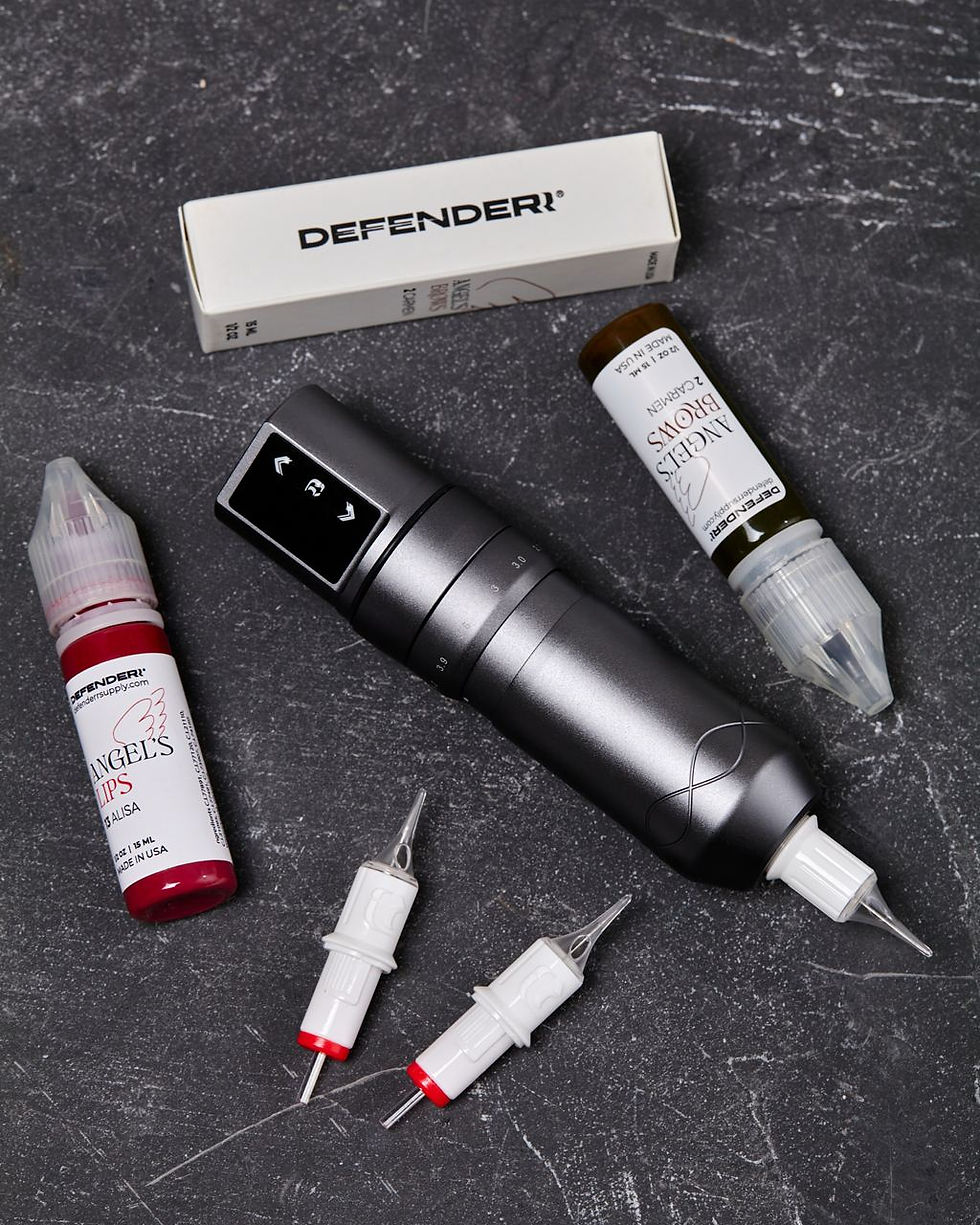
Permanent makeup is designed to enhance and harmonize facial features by refining shape, improving symmetry, and balancing color. The most commonly treated areas are the eyebrows, lips, and eyelids. The primary goal of modern permanent makeup is to achieve the most natural-looking result possible—one that complements an individual's unique facial anatomy. This is accomplished through the use of the latest minimally invasive techniques, which produce subtle, aesthetically pleasing results that appear virtually indistinguishable from natural features.
Natural lip color following a permanent makeup procedure. Permanent makeup eyebrows with a natural-looking result. Natural lash line enhancement that subtly accentuates the eyes.
Since its emergence in the beauty industry, the procedure has been known by several different names. In the United States and many European countries, the terms Permanent Makeup, Permanent Cosmetics, and Micropigmentation have historically been the most widely used, while in Spanish-speaking countries the preferred terms are Maquillaje Permanente and Micropigmentación. This terminology reflects the intention to distinguish the procedure from traditional tattooing and to recognize it as an independent discipline within aesthetic medicine and cosmetology.
Today, permanent makeup is recognized as one of the disciplines within the broader field of micropigmentation. Beyond aesthetic facial enhancement, modern micropigmentation techniques are widely used in reconstructive and paramedical applications (paramedical micropigmentation). These include nipple-areola complex reconstruction following mastectomy, scar camouflage, visual correction of depigmented skin affected by vitiligo, eyebrow restoration for patients with alopecia, and other procedures aimed not only at improving physical appearance but also at enhancing patients' quality of life.
The primary indications for permanent makeup and micropigmentation procedures include:
Visual enhancement of the shape, symmetry, and color of the eyebrows, lips, and eyelids;
Naturally subtle or poorly defined facial features;
Asymmetry of specific anatomical areas;
Camouflage of minor cosmetic imperfections and the effects of aging, trauma, or surgical procedures;
Improvement of physical appearance and, consequently, the psychological well-being of patients following conditions such as breast cancer, Parkinson's disease, vitiligo, and alopecia;
Allergic reactions to decorative cosmetics or the inability to use them on a regular basis;
An active lifestyle, participation in sports, or occupations involving frequent exposure to moisture or high temperatures, where maintaining conventional makeup is difficult;
Reduction of the time required for daily makeup application.
Modern permanent makeup integrates advances in color science, dermatology, aesthetic medicine, and artistic expertise. A high-quality outcome depends not only on the technical execution of the procedure but also on appropriate pigment selection, a thorough understanding of skin characteristics, strict adherence to safety standards, and the practitioner's ability to create a harmonious and natural-looking result.
The evolution of permanent makeup reflects the development of the entire field of micropigmentation—from a predominantly cosmetic procedure to an independent interdisciplinary discipline that combines aesthetics, medicine, dermatology, and advanced restorative technologies. This contemporary understanding forms the foundation of current international professional standards and continues to shape the future development of the profession.
For a more comprehensive overview of the applications of micropigmentation and its impact on patients' quality of life, you may also refer to my scientific article, Potential Uses of Micropigmentation (Permanent Makeup) in Medical and Psycho-Emotional Rehabilitation, published in the Journal of Aesthetic Nursing (London).
Disclaimer: The article What Is Permanent Makeup? is intended solely for informational and educational purposes, providing an overview of the current understanding of permanent makeup and micropigmentation. The information presented does not constitute medical advice, clinical guidance, or a substitute for consultation with a qualified healthcare or permanent makeup professional. The decision to undergo any procedure should be made on an individual basis following an in-person consultation with an appropriately qualified specialist, taking into account the patient's indications, contraindications, and individual characteristics. Neither the author nor the editorial team accepts responsibility for any consequences arising from the independent application of the information provided without professional consultation.
#PermanentMakeup #Micropigmentation #PMU #ParamedicalMicropigmentation #ReconstructiveMicropigmentation #AestheticMedicine #Cosmetology #PermanentCosmetics #PMUEducation #PULSEPMU #ScientificArticle #EyebrowPermanentMakeup #LipPermanentMakeup #EyelinerPermanentMakeup
Publication date: July 07, 2026
By Olga Yakovleva


Comments