


Robin Hays: Three Decades of Excellence in Permanent Cosmetics and Medical Tattooing
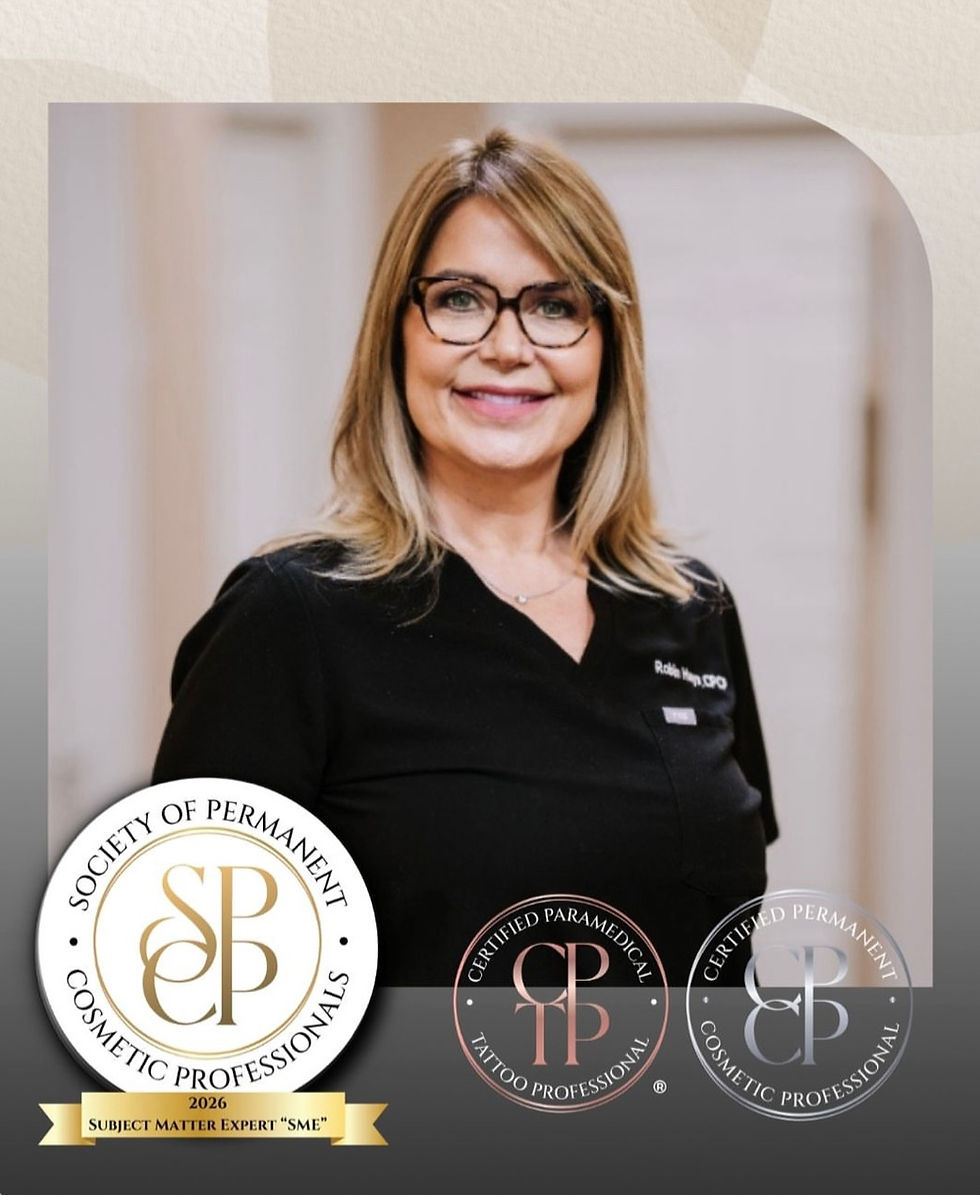
For more than thirty years, Robin Hays, CPCP, CPTP, DAAM has been one of the most respected names in permanent cosmetics and paramedical tattooing in the United States. Since entering the profession in 1993, she has helped shape the industry's development through clinical practice, education, leadership, and advocacy for higher professional standards.
Robin is a Certified Permanent Cosmetic Professional (CPCP), one of the first professionals worldwide to earn the Certified Paramedical Tattoo Professional (CPTP) designation, a lifetime member and former Board Member of the Society of Permanent Cosmetic Professionals, former President of the American Academy of Micropigmentation, and currently contributes as a Subject Matter Expert for SPCP (Society of Permanent Cosmetic Professionals). Her clinical expertise includes cosmetic permanent makeup, 3D areola restoration, scar camouflage, and scalp micropigmentation.
In this exclusive interview for PULSE PMU, Robin reflects on the evolution of permanent cosmetics, the growing importance of ethics and education, and why the true measure of success is not the number of procedures performed—but the confidence restored to every client.
PULSE PMU: You have been working in permanent cosmetics and medical tattooing since 1993. Looking back, what originally inspired you to enter this profession, and what has kept you passionate about it for more than three decades?
The permanent cosmetics industry has evolved tremendously over the past three decades. Techniques, pigments, equipment, safety standards, and client expectations have all advanced, requiring professionals to remain lifelong students of their craft.
Having practiced permanent cosmetics since 1993, I have witnessed our profession transform from a niche specialty into a respected component of the beauty, medical aesthetics, and reconstructive healthcare communities. This growth has created incredible opportunities for skilled artists while also increasing our responsibility to uphold the highest standards of care.
What has kept me passionate throughout these years is the opportunity to continually learn while making a meaningful difference in people's lives. Every advancement in our profession ultimately allows us to better serve our clients.

PULSE PMU: Throughout your career, you have witnessed the evolution of the PMU industry in the United States. What do you believe have been the most significant changes in techniques, technology, safety practices, and professional standards?
Technology has transformed our profession dramatically. Modern digital devices, improved cartridge systems, and more stable pigments have enhanced procedural consistency, precision, and client comfort.
At the same time, technology should never replace proper technique or sound clinical judgment. The practitioner remains the most important factor in achieving excellent healed results.
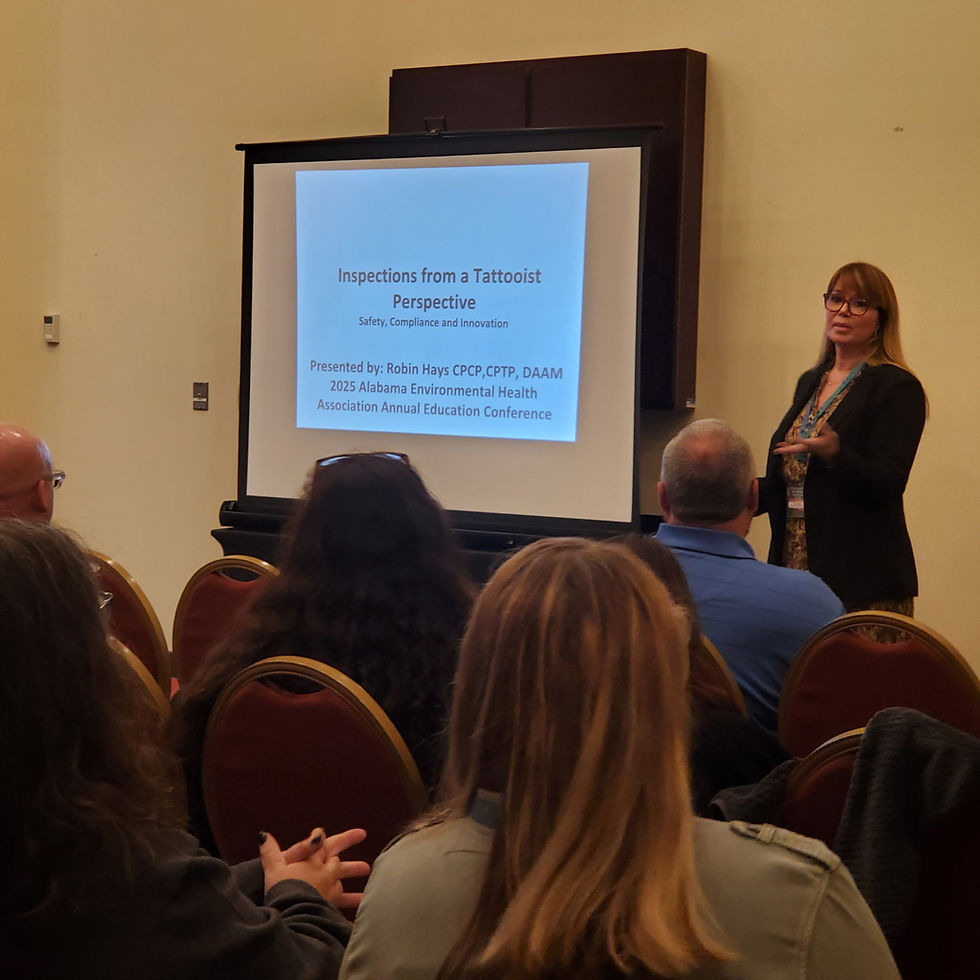
Safety standards and professional education have also advanced significantly. Continuing education has never been more important. Even experienced practitioners benefit from attending conferences, participating in advanced training, collaborating with colleagues, and staying current with evolving safety recommendations and best practices. Every class attended and every case studied ultimately benefits our clients.
PULSE PMU: You are widely respected for your work in areola restoration and scar camouflage. What first attracted you to paramedical tattooing, and what impact has this work had on your professional journey?
One of the most rewarding areas of our industry is paramedical tattooing.
Procedures such as areola restoration, scar camouflage, and scalp micropigmentation allow practitioners to make meaningful differences in the lives of individuals recovering from surgery, trauma, or medical conditions.
Before-and-after results demonstrating scar camouflage using paramedical tattooing techniques. Before-and-after images showing scar camouflage on the neck with restorative micropigmentation. Example of scalp scar camouflage performed using paramedical tattooing to reduce scar visibility.
These services require advanced education, empathy, and close collaboration with healthcare providers. They remind us that our work extends far beyond aesthetics—we have the privilege of helping people regain confidence during some of the most difficult periods of their lives.
PULSE PMU: Having served in leadership roles within organizations such as SPCP and the American Academy of Micropigmentation, what role do professional associations play in strengthening the industry and supporting practitioners?
Professional organizations play an essential role in advancing the industry by promoting education, certification, ethical standards, and collaboration.
Through mentorship and the sharing of knowledge, experienced practitioners help elevate the profession for future generations. These organizations create opportunities for professionals to learn from one another while encouraging consistency in safety and ethical practice across the industry.
PULSE PMU: Many PMU artists focus primarily on cosmetic procedures. What lessons from paramedical tattooing do you believe every permanent makeup professional should learn and apply in their daily practice?
Every procedure begins with a comprehensive consultation.
Understanding a client's anatomy, skin characteristics, medical history, lifestyle, and long-term expectations is just as important as technical skill. Successful cosmetic tattooing is not simply placing pigment in the skin—it is designing results that heal beautifully and age naturally.
Before-and-after toe reconstruction using restorative micropigmentation. Before-and-after results showing scar camouflage along the hairline using restorative micropigmentat Clinical result demonstrating the aesthetic restoration of the umbilical area using paramedical tatt
Equally important is recognizing when not to perform a procedure. Ethical decision-making protects both the client and our profession. Knowing when to postpone treatment, refer to a physician, or decline unrealistic expectations demonstrates professionalism and builds long-term trust.
PULSE PMU: Over the years, you have trained and worked alongside many artists. In your opinion, what qualities distinguish truly exceptional professionals from those who simply master the technical aspects of the craft?
Today's clients are seeking natural-looking enhancements that restore definition rather than dramatically alter their appearance.
Soft eyebrows, balanced lip color, and subtle eyeliner require precision, restraint, and an understanding of facial harmony. Conservative artistry often produces the most timeless outcomes.

Technical ability is essential, but exceptional professionals also demonstrate sound judgment, ethical decision-making, empathy, and a commitment to lifelong learning. These qualities ultimately define lasting success.
PULSE PMU: Looking ahead, what opportunities, challenges, and developments do you foresee for the future of permanent makeup and paramedical micropigmentation worldwide?
As our profession continues to gain recognition, education and professional responsibility will become increasingly important.
After more than three decades in permanent cosmetics, one lesson stands above all others: our greatest accomplishment is not the number of procedures we perform, but the confidence we help restore in the people we serve.
Whether performing cosmetic enhancement or restorative tattooing, we have the privilege of making a lasting impact on our clients' lives.
As professionals, let us continue to support one another, pursue excellence, embrace innovation responsibly, and remain committed to safe, ethical, and evidence-informed practice.
The future of permanent cosmetics is bright, and together we can continue raising the standards of our profession.
Editorial Conclusion: Robin Hays on the Future of Permanent Cosmetics
Robin Hays belongs to a generation of professionals who helped define modern permanent cosmetics in the United States. Her career demonstrates that technical mastery alone is not enough to build a lasting legacy. Education, ethical practice, scientific curiosity, and genuine compassion remain the foundations of excellence.
Throughout this conversation, one message emerges consistently: the future of permanent makeup depends not only on better machines or pigments, but on better professionals—artists who continue learning, place patient safety first, and understand that every procedure carries both technical and human responsibility.
As permanent cosmetics and paramedical tattooing continue to gain recognition worldwide, Robin's experience serves as a reminder that the highest achievement in this profession is not creating beautiful tattoos, but helping people feel whole, confident, and empowered once again.
#RobinHays #PermanentCosmetics #PermanentMakeup #ParamedicalTattooing #MedicalTattooing #AreolaRestoration #ScarCamouflage #ScalpMicropigmentation #Micropigmentation #PMU #CPCP #SPCP #PMUEducation #PMUIndustry #TattooEducation #ProfessionalStandards #PatientSafety #PULSEPMU
Publication date: July 11, 2026
By Sergey Yakovlev


Comments