


Beyond Technique: Teryn Darling on Critical Thinking, Education, and the Future of Permanent Makeup

For more than two decades, Teryn Darling has remained one of the most influential and respected professionals in the international permanent makeup industry. As a PMU artist, educator, entrepreneur, and founder of Girlz Ink, she has dedicated her career to advancing professional education through comprehensive training programs, innovative pigment technologies, saline tattoo removal protocols, and personal mentorship for artists around the world.
Widely recognized for her emphasis on critical thinking, skin science, pigment behavior, and long-term healed results, Teryn has consistently encouraged artists to build their careers on understanding rather than imitation. Through Girlz Ink, she continues to educate and inspire thousands of professionals while helping shape the future of modern permanent makeup education.
In this exclusive interview for PULSE PMU, Teryn reflects on the remarkable evolution of the PMU industry, shares the philosophy behind Girlz Ink, discusses the responsibilities of educators and artists, explores the future of permanent makeup, and offers practical advice for professionals at every stage of their careers.
Editorial Note: This interview is published exactly as it was provided by Teryn Darling. To preserve the authenticity of her thoughts and professional perspective, PULSE PMU has intentionally retained the original wording, structure, and sequence of every response. No editorial revisions, stylistic modifications, or content alterations have been made. We believe that presenting an interview in its original form allows readers to experience the author's voice exactly as it was intended.

PULSE PMU: You have been a part of the PMU industry for many years. Looking back, what do you consider the most significant changes that have transformed the profession since you first started?
When I look back at how much this industry has changed, it is honestly incredible. When I first started in permanent makeup, the industry was much smaller, much quieter, and much more limited. There were not a lot of brands, not a lot of education, not a lot of product choices, and certainly not the global connection we have today. In many ways, we were all figuring it out with the tools and information we had available at the time.
One of the biggest changes has been the amount of options artists have now. Today, artists have access to so many different machines, needles, pigments, numbing products, aftercare products, training programs, and techniques. When I started, we had very few choices. Now artists can choose tools and products that fit their hand, their style, their clients, and the specific skin they are working on. That is a beautiful thing, but it also means artists have to become more educated. More options are only powerful if you understand how to use them.
Another major change has been the way we think about pigment. When I started, at least in the United States, permanent makeup was very much an iron oxide industry. Organic pigments were almost taboo. They were often judged without artists fully understanding them. I was one of those artists who did not always follow the norm. I used organic pigments for lips and areolas because I loved what they could do in those areas, while I still loved inorganic pigments for many brow procedures. For eyeliner, I used carbon black, as many artists did.
Now the conversation has matured. Organic, inorganic, hybrid, and carbon-based pigments all have a place when they are understood and used properly. I think that is a very important evolution. It is no longer about one pigment type being “good” and another being “bad.” It is about understanding the chemistry, the skin, the technique, the desired healed result, and the long-term behavior of the pigment. Social media and the internet completely transformed this profession. When I first started, I had no idea how big the permanent makeup industry really was outside of my own world. I did not know artists all over the globe were doing this work, building techniques, creating styles, and pushing the industry forward in their own countries. Suddenly, we were connected. We could see work from Europe, Russia, Asia, South America, Canada, the United States, and everywhere in between. We could learn from each other, be inspired by each other, and understand that permanent makeup was so much bigger than our own local market.
That global connection brought more creativity, more innovation, more education, more trends, and honestly, more pressure too. Artists today are exposed to so much, which can be amazing, but also overwhelming. I always remind artists that inspiration is powerful, but comparison can be dangerous. You have to learn from the world without losing yourself in it. But the biggest change, in my opinion, is that permanent makeup is no longer seen as simply putting pigment in the skin. At the highest level, this work is about judgment, skin, anatomy, pigment choice, needle choice, technique, and understanding how the result will heal and age over time.
This industry has grown into something bigger, deeper, more global, and more respected than I ever could have imagined when I first started.

PULSE PMU: Girlz Ink has become one of the most recognized educational brands in the industry. What were the key principles that helped you build a successful training platform and community?
Girlz Ink started with my own personal journey as an artist. I took this craft very seriously from the beginning. I did not just want to learn how to perform a procedure; I wanted to understand the entire foundation underneath it. I wanted to learn every needle configuration, every pigment type, every machine behavior, every skin type, and how the skin affects the healed result. I was a sponge. I could not get enough theory, color knowledge, skin knowledge, and fundamental education. That love for the craft became the foundation of everything I would eventually teach.
The key principles that helped me build Girlz Ink were honesty, education, integrity, and generosity. I have never believed in gatekeeping. If I learn something that can help artists become safer, smarter, and more successful, I want to share it. I have always felt a deep responsibility to teach the “why,” not just the “how.” Artists need more than steps. They need understanding. They need to know how to think, how to problem-solve, how to read skin, how to choose the right tools, and how to make decisions that create better healed results.
I also think artists connected with Girlz Ink because I have always been real with them. I am raw, honest, and direct, but I try to deliver truth with grace. I do not tell artists what they want to hear just to make them comfortable. I tell them what I believe they need to hear so they can grow. Sometimes that means encouragement. Sometimes that means accountability. Usually, it means both.
At the heart of Girlz Ink is community. I wanted artists to feel supported, educated, challenged, and seen. I wanted them to know they did not have to figure everything out alone. The success of Girlz Ink came from staying true to the craft, staying true to the artists, and never forgetting that education should empower people, not intimidate them.
Teryn Darling demonstrates advanced permanent makeup techniques during hands-on PMU training. PMU artists observe Teryn Darling during a live permanent makeup training session. Teryn Darling performs a live permanent makeup demonstration for PMU professionals.
PULSE PMU: Throughout your career, what has been the most valuable lesson that PMU has taught you, not only as an artist, but also as a business owner and educator?
Permanent makeup has taught me that everything meaningful is built through responsibility. This craft should never be taken lightly. We are working on people’s faces, their confidence, their identity, and sometimes their healing. That has always meant something very deep to me. It taught me to slow down, to think ahead, to respect the skin, to respect the client, and to understand that every decision we make as artists has consequences. The pigment we choose, the needle we choose, the pressure we use, the technique we perform…all of it matters.
As an artist, permanent makeup taught me patience. It taught me that mastery does not come quickly, and it definitely does not come from chasing trends. It starts with fundamentals and built from repetition, mistakes, humility, education, and time. You have to be willing to be a beginner for longer than your ego wants you to be. You have to be willing to study the healed result, not just celebrate the fresh photo. This industry taught me that the real truth of your work shows up later, after the skin has healed and the client has lived with it.
As a business owner, permanent makeup taught me resilience. It taught me how to keep going when things were hard, how to make decisions under pressure, how to protect what I was building, and how to lead with integrity even when it was not the easiest path. Building a business in this industry is not just about talent. It requires discipline, consistency, boundaries, vision, and the ability to adapt without losing who you are.
As an educator, permanent makeup taught me that knowledge is a responsibility too. When you teach artists, you are not just giving them information. You are influencing how they think, how they work, how they treat clients, and how they move through this profession. That is something I take very seriously. I do not want to create artists who simply copy steps. I want to help create artists who think deeply, work ethically, and understand the weight of what they are doing.
The most valuable lesson permanent makeup has taught me is that success is not built from one big moment. It is built from thousands of small decisions made with care, patience, honesty, and responsibility. This craft changed me because it demanded more from me, and in return, it gave me a life I never could have imagined.

PULSE PMU: Many artists today focus heavily on social media visibility. In your opinion, what qualities truly separate a great PMU artist from a popular PMU artist?
Social media visibility is important. I use social media. I create content. I understand the value of being seen, sharing your work, educating your audience, and building a recognizable presence. In today’s industry, visibility matters. It can open doors, attract clients, create opportunities, and connect artists all over the world. So I would never dismiss it.
A popular PMU artist can absolutely be talented. Visibility and skill can exist in the same person, and I respect that. But popularity is about how many people are watching, while greatness is about what is happening when no one is watching. A popular artist may create beautiful work, build a strong brand, and inspire a large audience, but a great artist carries the responsibility of the craft at a deeper level. They are not only thinking about how the work photographs today; they are thinking about how it heals, how it ages, how it fits that client’s skin, features, lifestyle, and emotional needs.
Greatness is consistency. It is judgment. It is restraint. It is knowing when to adjust, when to educate, and when to say no. It is understanding that not every client is a candidate for every technique, and not every beautiful trend belongs on every face. A great artist has the maturity to protect the client, even if that means doing something softer, simpler, or less dramatic than what might get more attention online.
To me, the great artists are the ones who can create beautiful work, but also stand behind that work after it heals. They are critical thinkers and care about the client’s long-term outcome, not just the immediate reaction and applause. They keep learning, they stay accountable, and they respect the fact that we are working on living skin, not a flat canvas and not a piece of content.
Social media can show talent, but it does not always show wisdom. Popularity can show that people are paying attention, but greatness is proven by trust, healed results, ethics, and the ability to protect the client long after the post is gone.

PULSE PMU: As someone who has trained and mentored numerous professionals, what mistakes do you see most frequently among artists who are trying to advance to the next level of their careers?
One of the biggest mistakes I see artists make when they are trying to advance is that they try to move up before they are truly grounded and ready. They want the next technique, the next certificate, the next class, the next machine, the next pigment, the next big business move…but they have not fully mastered the foundation yet. They have not spent enough time understanding skin, pressure, pigment behavior, needle choice, color theory, healed results, consultation, and client selection…just to name a few. Advancement without foundation is fragile and sometimes not sustainable.
I also see artists chase confidence before competence. They want to feel confident, but confidence is not something you can fake your way into. Real confidence comes from preparation, repetition, education, honest feedback, and time. You cannot skip the uncomfortable stage where you are still learning, still making mistakes, still questioning yourself, and still building your eye. That stage is not failure. That stage is where the artist is actually being built.
Another big mistake is building a career around fresh photos instead of healed results. Fresh work can be beautiful, and of course it has value, but healed work tells the deeper truth…the real truth. How did the pigment settle? Was the color choice correct? Was the saturation appropriate? Did the technique match the skin? Did the result age well? Artists who want to reach the next level have to become obsessed with the healed outcome, not just the immediate result.
I also think many artists outsource their judgment too much. They ask everyone what to do…online groups, other artists, educators, social media and there is nothing wrong with seeking guidance. But at some point, you must develop your own critical thinking. The next level requires discernment. It requires knowing whose advice is qualified, what applies to your client, what does not, and when you need to trust your training, your eyes, and your experience.
To me, the artists who truly advance are not always the loudest or the fastest. They are the ones willing to slow down, strengthen their foundation, study the truth of their work, take accountability, and become more disciplined in both their artistry and their business. The next level is not just about doing more. Sometimes it is about becoming more precise, more patient, more honest, and willing to do the quiet work that builds mastery.

PULSE PMU: The PMU industry continues to evolve rapidly through new pigments, devices, techniques and educational models. Which developments excite you the most, and where do you see the profession heading over the next five to ten years?
What excites me the most is not any one product or technique. It is watching the industry mature. I see artists becoming more curious, more educated, and more intentional than ever before. There is a much greater appreciation for skin science, pigment science, healed results, and individualized treatment plans. Instead of asking, "What's the best technique?" more artists are asking, "What's the best technique for this client?" That shift is exciting because it reflects a deeper understanding of the craft.
I am also encouraged by the growing focus on education that teaches critical thinking rather than memorization. The future belongs to artists who understand why they are making decisions, not those who simply copy what they see online. The more we teach artists to assess skin, understand pigment behavior, adapt techniques, and think independently, the stronger our profession becomes.
Over the next five to ten years, I believe personalization will become the standard. We will move further away from the idea that one technique, one pigment line, or one needle fits everyone. Artists will become more versatile, more adaptable, and more intentional. I also believe clients will become even more educated, which will continue to raise the expectations placed on us as professionals. That is a good thing because it challenges us to keep learning and keep improving.
More than anything, I hope our profession continues to value mastery over marketing. Social media will always be important, innovation will continue, and technology will keep advancing. But the artists who will still be thriving ten years from now will not necessarily be the ones who followed every trend. They will be the ones who built a deep understanding of the fundamentals, adapted as the industry evolved, and never stopped learning. Trends come and go. Strong foundations have longevity.
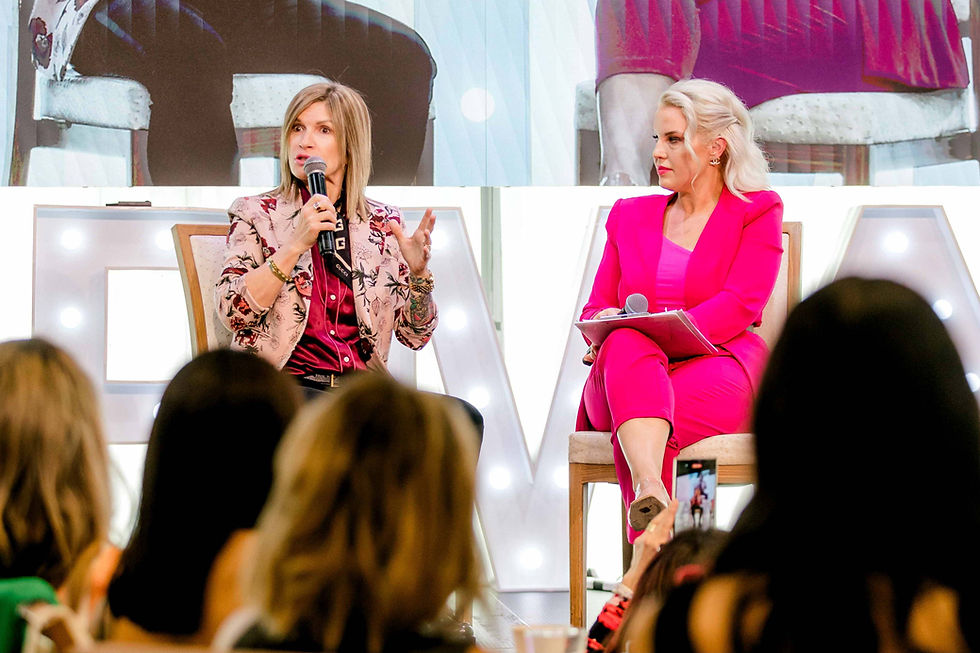
PULSE PMU: If you could share one piece of advice with every PMU artist in the world, regardless of their experience level, what would it be?
If I could give one piece of advice to every permanent makeup artist in the world, it would be this: learn how to think…become a critical thinker. Do not build your career on copying. Build it on understanding.
Techniques will change. Trends will change. Pigments, needles, machines, and styles will continue to change and evolve. But if you understand skin, color, pressure, pigment behavior, needle choice, healing, and client selection, you can adapt to almost anything. That is where real confidence comes from. Not from memorizing steps, but from understanding why you are making each decision.
I would tell artists to stop chasing the idea of being perfect and start chasing the truth of their work. Study your healed results. Be honest about what worked and what did not. Learn from your mistakes without letting them destroy you. Stay curious. Become versatile with your tools. Stay humble. Ask better questions. Do not let social media convince you that everyone else has it all figured out, because they do not. We are all still learning if we are doing this craft with any kind of integrity.
And never forget the weight of what we do. Our work sits on someone’s face. It becomes part of how they see themselves in the mirror, how they move through the world, and sometimes how they heal from something deeper than beauty. That kind of work cannot be treated casually. It requires patience, respect, maturity, and the willingness to care about the outcome long after the appointment is finished.
So, my advice would be simple: become an artist who understands the work, not just performs it. Understanding the work is what turns technique into artistry, creates better healed results, and gives an artist true longevity.
Final Words from Teryn Darling
One project I would love to highlight is EmpowerInk®, a personal artist mentorship program I am currently building. This project is very close to my heart because it allows me to work with artists in a deeper, more personal way. Helping artists strengthen their knowledge, their decision-making, their confidence, and the way they approach every client. At this stage of my career, that kind of connection means everything to me.
And my final message to every artist reading this would be this: if you have big, beautiful, almost terrifying dreams, and there is a huge gap between where you are right now and where you want to be, do not ever downgrade your dreams to match your current reality. Upgrade your belief in yourself. Swing big. Do not be so afraid to lose that you never give yourself a chance to win. Block out the noise, stay close to your purpose, and keep building the version of yourself that your dreams are going to require.
#TerynDarling #PermanentMakeup #PMU #PMUEducation #PMUArtist #GirlzInk #Micropigmentation #PermanentCosmetics #PMUIndustry #BeautyEducation #ProfessionalDevelopment #PMUConference #CriticalThinking #PMUMentor #PULSEPMU
Publication date: July 05, 2026
By Sergey Yakovlev


Comments